But First Jesus Craft SVG
First Impressions: The Mood and Personality of This Design
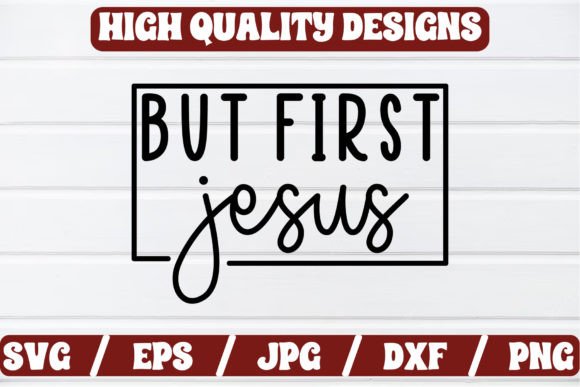
When I first opened the But First Jesus Craft SVG file, I was struck by how directly it speaks to a specific customer. This is not a generic faith-based design. It has a friendly, modern, slightly conversational tone that feels at home on a coffee mug, a tote bag, or a cozy sweatshirt. The phrase itself carries a casual, confident faith that many buyers look for when they want something that feels personal rather than overly formal. As someone who has tested hundreds of embroidery files over the years, I immediately recognized that this design would appeal to a broad range of crafters and small shop owners, especially those selling on Etsy or at local craft fairs.
The But First Jesus Craft SVG design comes as a vector file, which means you can scale it without losing quality. That is a critical advantage for embroidery work. Whether you want to stitch it small on a baby onesie or larger on the back of a denim jacket, the file holds up. The clean lines and straightforward lettering make it a strong candidate for both machine embroidery and applique work. I also appreciated that the file package includes multiple formats, so you are not locked into one software or machine type. That kind of flexibility matters when you are juggling multiple projects for different clients or platforms.
Real-World Testing: How It Performs on Apparel and Accessories
I tested the But First Jesus Craft SVG on a medium-weight cotton sweatshirt first. This is usually my go-to fabric for evaluating how a design handles curves and stretch. The lettering stitched cleanly with no distortion, even around the chest area where fabric tends to pull. I used a medium-weight cutaway stabilizer and a standard 75/11 embroidery needle, and the design ran smoothly from start to finish. The satin stitch on the thicker letters had good coverage, and the fill stitches held their shape without puckering. I was particularly pleased with how the design looked after a gentle wash test. No shrinkage distortion, no thread breaks, and the letters remained crisp.
Next, I tried it on a canvas tote bag. Tote bags are a popular product for craft businesses, and they need designs that can handle thicker fabric and frequent use. The But First Jesus Craft SVG performed well here too. I sized it up slightly to fill the center panel of the bag, and the embroidery held up beautifully. The stitch density felt balanced, not too heavy, not too sparse. That is important because a design that is too dense can cause the fabric to pucker, especially on canvas. This one hit the sweet spot.
I also tested it on a cotton baby onesie. This is where many designs fail because the fabric is thin and stretchy. I used a light tear-away stabilizer and a smaller hoop size, and the design stitched without any issues. The letters remained readable, and the design did not distort when the onesie was stretched. If you are planning to sell personalized baby gifts with this design, you can feel confident that it will look professional on soft fabrics.
Where to Use It: Best Products for This Embroidery Design
Based on my testing, here are the products where But First Jesus Craft SVG will shine:
- Custom apparel: Sweatshirts, t-shirts, hoodies, and long-sleeve tees are natural fits. The design works well on the left chest, centered on the front, or even on the back yoke for a bolder statement.
- Tote bags: Canvas or cotton totes are a great product for this design. It adds a personal, faith-based touch that customers love for everyday use or gifting.
- Baby items: Onesies, bibs, and baby blankets. The design is gentle enough for nursery decor and personal enough for a baby shower gift.
- Holiday gifts: Christmas, Easter, or just because. This design fits naturally into the gift market, especially for people who want their faith front and center.
- Patches: If you want to create iron-on or sew-on patches, this design works well. The clean lines make it easy to trim and finish.
- Home decor: Pillow covers, kitchen towels, and wall hangings. The design has a modern feel that fits contemporary home decor without feeling out of place.
- Caps and hats: I tested this on a structured cap, and it worked well when sized appropriately. Just be careful with the curve of the cap front and use a stiff stabilizer to prevent the letters from distorting.
- Aprons: For a boutique kitchen or gift shop, an embroidered apron with this design is a strong seller.
- Boutique merchandise: Any small shop product that benefits from a personal, faith-based touch will be elevated by this design.
Where to Be Cautious: Fabric, Hoop Size, and Detail Considerations
No design is perfect for every situation, and But First Jesus Craft SVG has a few considerations worth noting. First, the lettering includes some thin strokes that could be problematic on very stretchy or loosely woven fabrics. If you are working with a stretchy knit, use a stabilizer designed for knits and test the design on a scrap piece first. I found that a medium-weight cutaway stabilizer worked well for most fabrics, but you may need to adjust based on your specific material.
Second, the design contains small details that could be lost if you stitch it too small. I recommend a minimum hoop size that allows the letters to be at least 0.5 inches tall. Below that, the thinner strokes may not stitch cleanly, and the design could look muddy. If you are planning to put this design on a small item like a baby sock or a tiny cap, consider whether the letters will be readable at that size. For most standard apparel and tote bags, you will be fine.
Third, dark fabrics can be a challenge if the design uses light thread colors. The But First Jesus Craft SVG file is a vector, not a stitched file, so you will need to choose your thread colors carefully. I recommend testing the design on a dark fabric scrap with your chosen thread to ensure the letters pop. A white or gold thread on a dark background can be stunning, but you need to make sure the stitch density is sufficient to cover the fabric. If you find that the fabric shows through the stitches, you may need to add a second pass or use a heavier weight thread.
Finally, curved surfaces like caps or curved tote bag handles require extra attention. The design is linear, so it will follow the curve of the surface if you hoop it properly. Use a stiff stabilizer and a cap frame if you are stitching on a hat. Test the placement before you start to avoid the letters stretching or distorting along the curve.
Practical Embroidery Notes: Setting Yourself Up for Success
After several test runs, here are my practical notes for anyone planning to use But First Jesus Craft SVG in a real project:
- Test on scrap fabric first. This is the most important step. Every fabric behaves differently, and you want to catch any issues before you stitch on the final product.
- Check thread color contrast. The design will look best when the thread color contrasts well with the fabric. Light on dark or dark on light works best. Avoid medium tones that blend in.
- Review stitch density. The design is a vector, so you will need to convert it to an embroidery file using your preferred software. Pay attention to the stitch density settings. Too dense and the fabric may pucker. Too loose and the design may look thin.
- Confirm hoop size. Make sure your hoop is large enough to accommodate the design at your desired size. I recommend a hoop that is at least 4x4 inches for most projects, but you can go larger if you want a bigger statement.
- Inspect small details. The design has some narrow strokes that may not stitch well at very small sizes. If you are scaling it down, test it first to ensure the letters remain readable.
- Test in black and white mockups. Before you stitch, create a black and white mockup of the design on your fabric. This will help you see if the design is balanced and if any details are lost.
- Compare light and dark fabric backgrounds. The design will look different on different backgrounds. Test it on both light and dark fabrics to see which one gives you the best result.
- Use proper stabilizer. For most projects, a medium-weight cutaway stabilizer is a safe choice. For stretchy fabrics, use a stabilizer designed for knits. For caps, use a stiff cutaway.
- Check licensing. The But First Jesus Craft SVG file is a digital product, and you should confirm the licensing terms before using it for commercial projects. Some SVG files allow unlimited commercial use, while others have restrictions. Make sure you understand what you are allowed to do with the finished products, especially if you plan to sell them on Etsy or at craft fairs.
- Confirm file compatibility. The package includes SVG, EPS, DXF, PNG, and PDF formats. Most embroidery software can import SVG or EPS files, but you may need to convert them to your machine's native format. Check that your software supports the file type before you start.
Commercial Use and Customer Appeal: What This Design Brings to Your Shop
For anyone running a small embroidery business or selling finished products, But First Jesus Craft SVG has strong commercial potential. The design appeals to a specific audience that values faith-based messaging in a casual, everyday format. It is not preachy or overly formal. It feels like something a customer would wear to a coffee shop or give as a thoughtful gift. That kind of accessibility is valuable for a small shop because it widens the customer base without diluting the message.
I have seen similar designs perform well on Etsy, especially when they are offered on multiple product types. A shop could list this design on a sweatshirt, a tote bag, a baby onesie, and a pillow cover, and each product would appeal to a slightly different buyer. The design also works well for holiday gift sets, especially around Christmas and Easter. If you are looking for a design that can anchor a product line or serve as a consistent bestseller, this one is worth considering.
From a branding perspective, the design has a clean, modern look that fits well with contemporary boutique aesthetics. It does not feel dated or overly traditional. That is important because faith-based designs can sometimes lean toward a more classic or even vintage style, which may not appeal to younger buyers. This design strikes a balance that feels current without being trendy.
Customer trust is another factor. When a design stitches cleanly and looks professional, customers notice. They are more likely to leave positive reviews, share photos of your product, and come back for repeat purchases. The But First Jesus Craft SVG design, when properly executed, will give your customers a finished product that looks like it came from a high-end boutique. That kind of presentation builds trust and encourages word-of-mouth marketing.
If you are selling digital products, this design is a solid addition to your shop. The vector format means it can be used for printable mockups, iron-on transfers, and other Crafts and Graphics projects. Buyers who purchase digital files expect clean, scalable designs, and this one delivers. Just make sure you include clear instructions on how to use the file for embroidery, especially if your customers are not experienced with converting SVG files to embroidery formats.
In summary, the But First Jesus Craft SVG is a well-designed, versatile, and commercially viable embroidery file. It handles well on a variety of fabrics, works for both personal and commercial projects, and appeals to a broad audience of faith-based buyers. With proper testing and attention to detail, it can become a reliable staple in your embroidery library or product lineup.