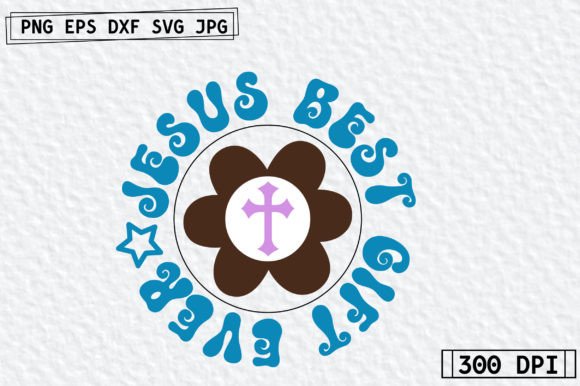
Christian Typography Retro Design: Graphics with a Handmade Vibe
As a designer working on branding, packaging, and print-on-demand projects, I often seek out design assets that bring character and visual interest without overwhelming the overall composition. Christian Typography Retro Design caught my attention as a potential graphic design asset for a small business client launching a handmade boutique line. The retro aesthetic, combined with clean typography and beautiful quotes, offers a unique opportunity to elevate a brand’s visual identity while maintaining a sense of authenticity.
The First Impression: A Nostalgic Visual Mood
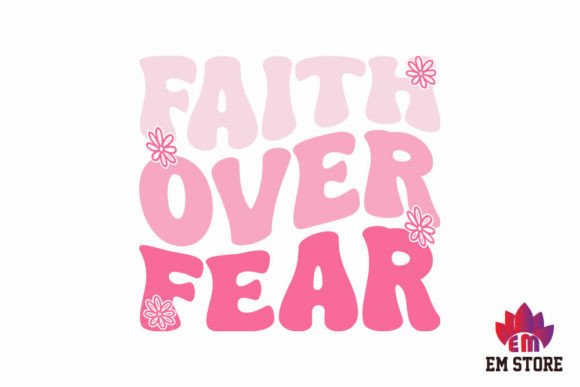
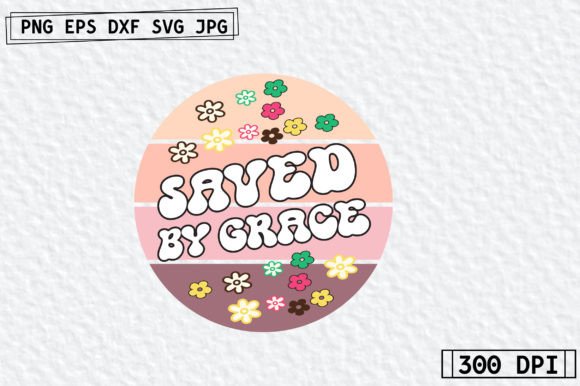
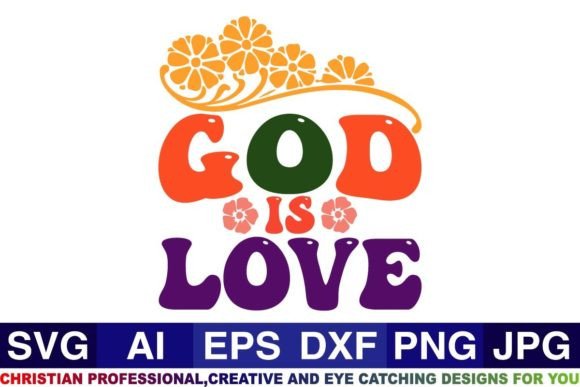
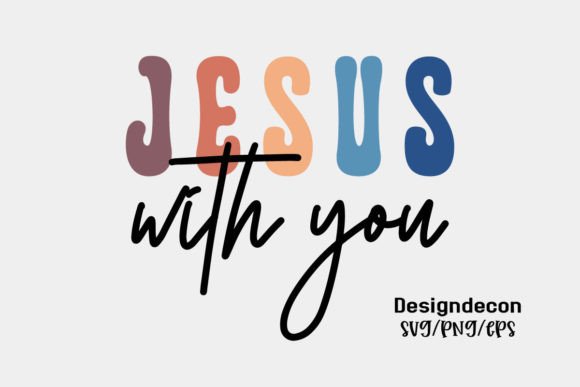
From the first glance, Christian Typography Retro Design exudes a warm, vintage feel that feels both timeless and modern. The use of hand-drawn elements, subtle textures, and classic typefaces creates a visual mood that’s perfect for brands aiming to connect with customers on an emotional level. This style works particularly well for handmade businesses, local events, or seasonal campaigns looking to stand out in a crowded creative marketplace.
The designs are not just decorative—they carry a narrative. Whether it’s a quote about faith, love, or life, the messaging is clear and intentional, making it a strong foundation for brand identity or marketing visuals.
Real-World Application: From Packaging to Social Media
When considering how Christian Typography Retro Design performs in real design situations, its versatility becomes apparent. It can be used in logo design, product labels, and packaging design, where the retro flair adds a layer of personality that resonates with customers. For a small business owner selling artisanal products, this design asset could serve as a key element in their branding strategy, helping to differentiate their offerings in a competitive market.
In social media graphics, the retro typography can act as a powerful visual anchor, drawing attention to posts and creating a cohesive look across platforms. It also works well in blog visuals, editorial design, and digital ads, where the right balance of text and imagery can enhance storytelling and audience engagement.
For print-on-demand sellers, the high-resolution PNG files with transparent backgrounds make it easy to integrate these designs into t-shirt designs, mugs, and tote bags. The SVG and DXF formats also open up possibilities for Cricut projects and sticker design, allowing for precise cutting and customization.
Where It Shines: Large Layouts and Themed Collections
Christian Typography Retro Design excels in large layout areas, such as hero graphics, product mockups, and campaign visuals. Its bold yet refined style makes it ideal for creating eye-catching posters, flyers, and invitations that command attention without sacrificing clarity.
It also fits naturally into themed collections, whether for a holiday campaign, a wedding invitation suite, or a seasonal promotion. The retro aesthetic pairs well with other vintage-inspired elements, making it a valuable addition to any design bundle.
As a printable design, it’s especially useful for wall art, Canva templates, and downloadable content that users can customize and use in their own projects.
Where to Use It Carefully: Minimalist and Corporate Projects
While the retro style is compelling, it may not be the best fit for minimalist branding or professional corporate materials. In such cases, the complexity of the design could clash with the clean, straightforward approach required for those types of projects.
Additionally, when used in crowded layouts or low-contrast environments, the details might get lost. It’s important to test the design at different sizes and on various backgrounds to ensure it remains legible and visually appealing.
Design Considerations: Readability and Brand Consistency
One of the most critical factors when using Christian Typography Retro Design is readability. While the fonts are stylish, they should still support the message being conveyed. Testing the design in black and white, checking contrast on light and dark backgrounds, and previewing it at different sizes are essential steps before finalizing a project.
Brand consistency is another key consideration. If the client has an established visual language, the retro design should complement rather than compete with existing elements. It’s also important to review file formats, inspect PNG transparency if included, and confirm that the commercial license covers the intended use—especially when working on a client project.
Practical Designer Notes: What to Check Before Using
Before incorporating Christian Typography Retro Design into a client project, I recommend testing it in various contexts. Place it on real mockups, check print quality, and compare it with different font styles to see how it integrates with the overall design.
For digital sellers and print-on-demand entrepreneurs, the availability of multiple file formats—including SVG, PNG, JPG, EPS, and DXF—makes this design asset highly adaptable. It’s also suitable for sublimation design, sticker design, and other applications where precision and quality matter.
As a creative marketplace item, it’s worth noting that the design includes unique elements that can help a small business branding effort stand out. However, it’s always wise to verify licensing terms and ensure that the asset aligns with the client’s goals and audience expectations.
Conclusion: A Valuable Addition for Creative Projects
Christian Typography Retro Design is more than just a set of graphics—it’s a tool that can add depth and character to a wide range of design projects. Whether you’re working on a handmade business, a seasonal campaign, or a digital product, this design asset offers a fresh, nostalgic perspective that can enhance the visual appeal and emotional impact of your work.
With its high-quality files, versatile application, and thoughtful design elements, it’s a reliable choice for designers looking to bring a retro touch to their creative projects. Just remember to use it wisely, test it thoroughly, and ensure it aligns with the overall vision of the client’s brand or campaign.