Jesus Wall Art Inspired Van Gogh Style: Graphics & Backgrounds for Branding
A First Look at the Visual Mood and Emotional Tone
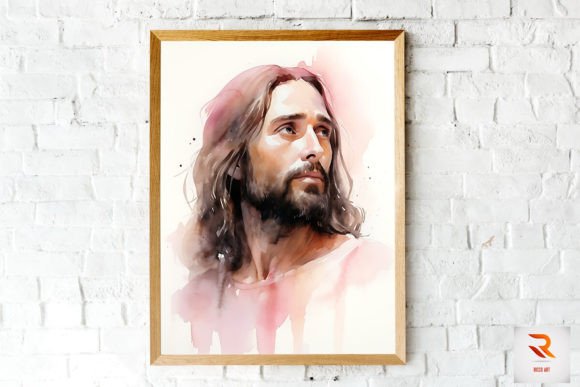
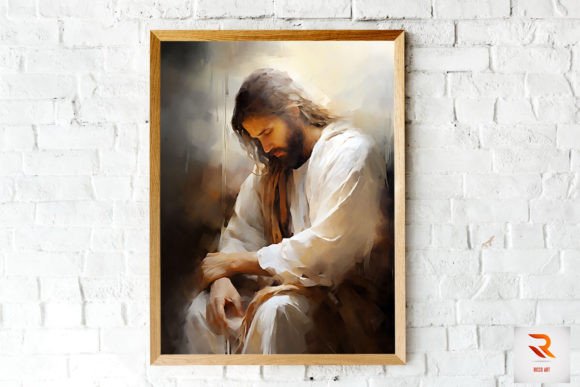
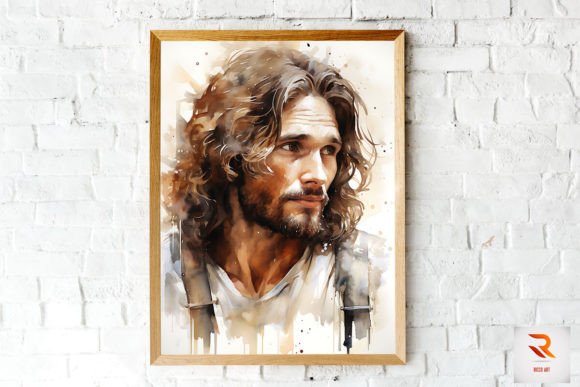
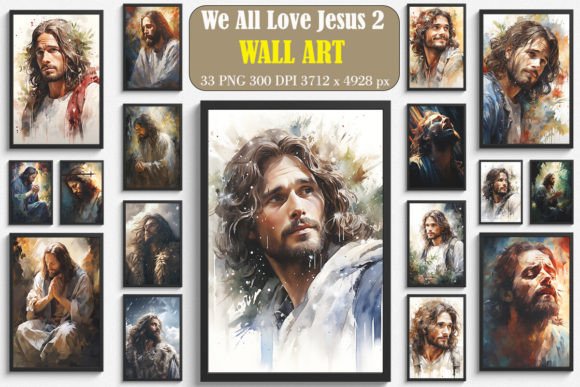
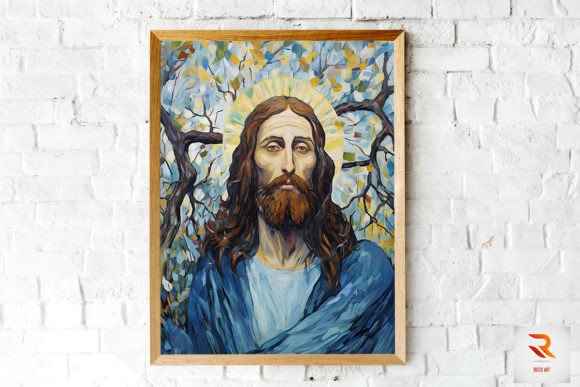
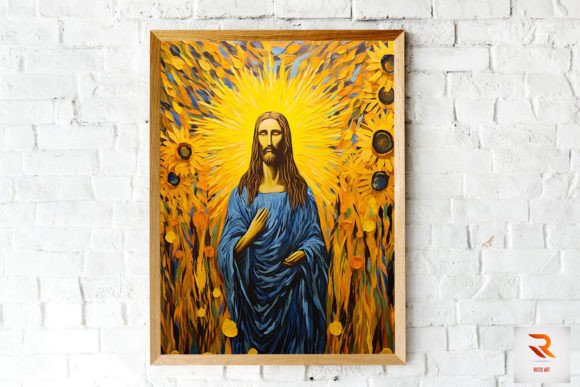
When I first opened Jesus Wall Art Inspired Van Gogh Style, I was struck by how the brushwork and color palette immediately evoke a sense of reverence blended with artistic warmth. The texture feels almost tactile, as if the strokes were laid down by hand rather than rendered as a digital product. This is not a cold, corporate graphic. It carries an emotional weight that speaks to audiences who value faith, beauty, and craftsmanship. As a brand designer, I immediately recognized the potential this graphic design asset has for connecting with viewers on a deeper level. The mood is contemplative yet inviting, making it suitable for lifestyle content, editorial design, and campaign visuals that need to feel both personal and premium. The high resolution 300 DPI and generous dimensions of 3712 x 4928 pixels mean you can scale it for large format applications without losing detail. That kind of flexibility is rare in a PNG design at this price point, and it immediately signals that this asset was built for serious use, not just casual decoration.
How This Graphic Design Asset Fits a Real Campaign Workflow
Let me walk you through a real scenario. I recently worked with a small business owner who runs a boutique home goods brand. She was preparing a seasonal launch centered around a limited edition collection of candles, linens, and wall art. The brand voice is warm, thoughtful, and rooted in tradition. We needed marketing visuals that could carry the launch across social media graphics, email banners, product labels, and even a packaging insert that told the story behind the collection. That is exactly where Jesus Wall Art Inspired Van Gogh Style entered the workflow. I used it as a background layer for the hero image on the campaign landing page, and the texture gave the page an immediate sense of depth. The piece did not compete with the product photography; instead, it elevated it. The client saw a noticeable lift in engagement on the Instagram posts and Pinterest pins where we used the asset as a backdrop. The emotional tone of the design aligned perfectly with the brand story, and it helped the audience feel the authenticity of the launch.
Using the Design Asset Across Marketing and Branding Channels
One of the strongest qualities of Jesus Wall Art Inspired Van Gogh Style is its versatility across different brand identity touchpoints. I tested it in several contexts to see how it would hold up. For logo design, the texture works well as a subtle background mark behind a wordmark, especially if the brand uses a serif font or a handwritten font that echoes the organic feel of the strokes. On product labels, the design adds a layer of sophistication without overwhelming the product name or ingredients. For social media graphics, I found it performs best when the text is overlaid with a semi-transparent box or a bold sans serif font that can stand up to the busy background. The visual hierarchy remains clear as long as you pay attention to contrast. I also used it in a Canva template for a client who needed a quick printable design for a seasonal promotion. The template was easy to build because the PNG file is clean and ready to drop into any layout. The commercial design quality is evident in how the asset handles resizing. Even when I scaled it down for a digital ad thumbnail, the brushwork stayed recognizable and did not turn into noise.
Supporting Core Marketing Goals with Visual Consistency
Every creative design you choose for your brand should serve a clear purpose. Jesus Wall Art Inspired Van Gogh Style supports several marketing visuals goals that matter to content creators and small business branding efforts. First, it creates a stronger first impression. The artistic quality immediately signals that your brand pays attention to detail. Second, it improves audience trust because the visual feels intentional and not generic. Third, the emotional resonance of the design helps build an emotional connection with viewers. When people see a piece that looks like it was created with care, they assume the same care goes into your products or services. Fourth, the asset supports professional branding by giving your campaign visuals a cohesive texture that ties together web design, editorial design, and digital ads. I used it as a consistent background element across a series of Facebook ads and Instagram posts for a client, and the repetition of the visual increased brand recognition within the first week. The asset also works well for lead magnets and media kits where you want to project a premium feel without the cost of a full photoshoot.
Where Jesus Wall Art Inspired Van Gogh Style Shines Brightest
Based on my testing, this graphic design asset performs best in applications where the visual can breathe. Hero graphics on a website or landing page benefit from the full resolution and the emotional pull of the brushwork. Campaign headers for seasonal promotions, especially around Easter or Christmas, feel natural and appropriate. Product launch visuals for handmade goods, artisanal foods, or faith-based products gain an immediate sense of authenticity. I also found it works exceptionally well for branded templates inside Canva or other design tools. The PNG file is clean and easy to layer. For social media covers on Facebook or YouTube, the design creates a distinctive look that stands out from the flat, minimalist trends that dominate many feeds. Packaging accents such as interior liners, tissue paper designs, or box inserts can carry the same pattern to create a cohesive unboxing experience. If you are building a content bundle or a design bundle for your audience, this asset adds perceived value because it looks like something from a creative marketplace that costs much more. The illustration quality is strong enough to be used as a standalone decorative element in editorial design layouts, especially for blog posts or newsletters that need a visual anchor.
Where to Apply This Design Asset with Caution
No design asset is perfect for every situation, and Jesus Wall Art Inspired Van Gogh Style has some limitations that brand designers and content marketers should consider. I would avoid using it in formal corporate branding where the visual tone needs to be clinical or ultra-modern. The texture is warm and expressive, and it can clash with a strictly minimalist brand identity. In dense information layouts such as infographics or data-heavy reports, the busy background will compete with the text and reduce readability. For small mobile graphics like Instagram story stickers or small banner ads, the detail of the brushwork may be lost, and the design can appear muddy. Always test the asset on a phone screen before committing to a campaign. Low-contrast backgrounds are another area of caution. If you place light text over the lighter areas of the design, readability suffers. I recommend using a dark overlay or a semi-transparent text box to maintain visual hierarchy. Finally, if your brand relies on a modern design aesthetic that is flat and geometric, this asset may feel out of place. It works best when the rest of your brand elements have some organic texture or warmth to match.
Practical Brand Designer Notes for Using This Asset in Commercial Work
Before you use Jesus Wall Art Inspired Van Gogh Style in a paid campaign, client work, or professional branding project, there are several steps I recommend taking. First, test the asset against your brand color palette by placing it next to your primary colors. The existing tones in the design may shift how your brand colors appear, so adjust your overlay colors accordingly. Second, check the black and white version of the asset. If you ever need to print it in grayscale or use it in a monochrome layout, the contrast should still hold up. Third, place the design inside a real campaign mockup, not just a flat preview. Seeing it on a phone screen, a laptop, and a printed piece will reveal any issues with scale or detail. Fourth, preview it on mobile devices at actual size. The high resolution is excellent for large formats, but small screens may not show the texture as intended. Fifth, test readability with different font styles. I tried it with a serif font, a sans serif font, a script font, a handwritten font, and a display font. The sans serif and display fonts worked best for headlines, while the serif font added a classic touch for longer text. The script font was harder to read unless I used a strong text shadow. Sixth, review the spacing and balance of your layout. The asset is visually rich, so you may need to give it more breathing room than a flat background. Finally, confirm the commercial license before using it in client projects, paid campaigns, or digital product sales. Knowing the licensing terms protects your business and your reputation.
Final Thoughts on This Creative Design for Small Business Branding
Jesus Wall Art Inspired Van Gogh Style is a graphic design asset that brings genuine artistic character to marketing visuals. For brand owners, content creators, and small business owners who want to communicate faith, warmth, and craftsmanship, this printable design offers a ready-made solution that does not look like a generic template. The PNG design format and high resolution dimensions make it practical for both digital and print applications. As a brand designer, I appreciate how the asset supports emotional connection and audience trust without requiring extensive editing. It is not a replacement for a full brand identity system, but it is a powerful addition to a design bundle or a seasonal campaign kit. If you are a digital seller or a product creator looking for creative design assets that can elevate your content marketing, this piece deserves a place in your library. Just remember to test it in your specific context, pair it with the right fonts, and use it where the texture can shine without overwhelming your message. Used thoughtfully, Jesus Wall Art Inspired Van Gogh Style can help your brand look more intentional, more artistic, and more memorable.