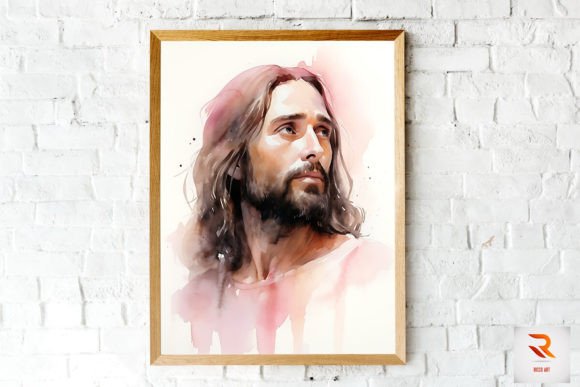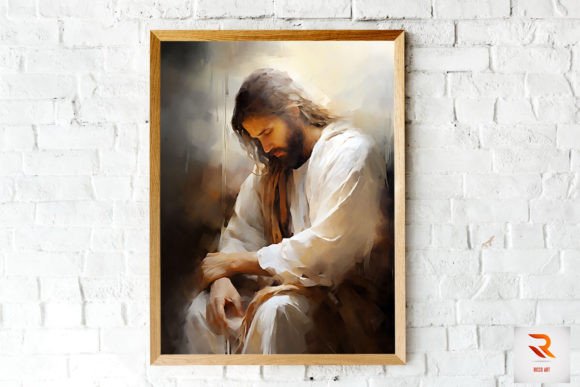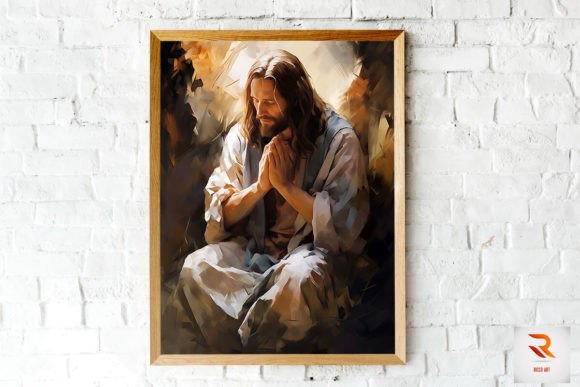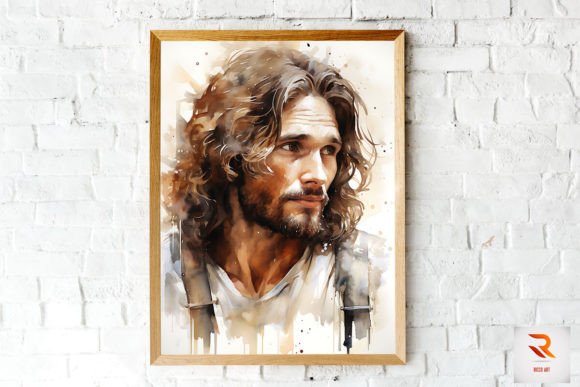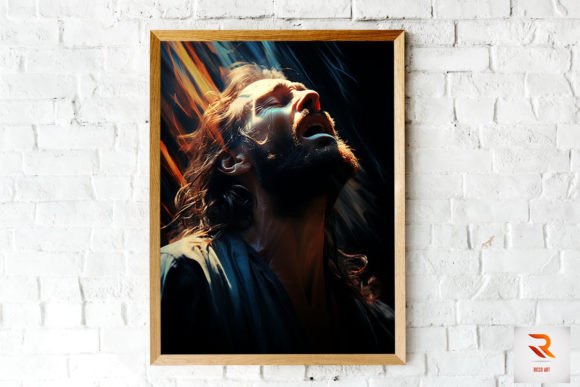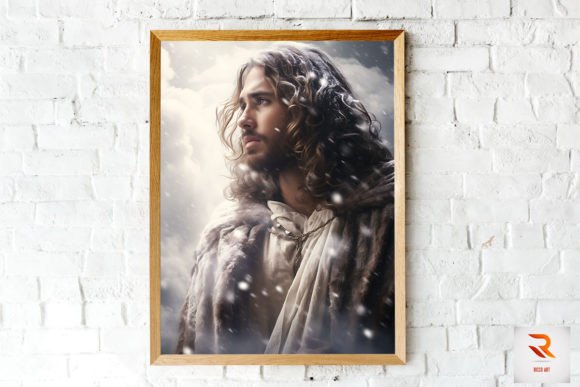
Realistic Jesus in the Snow Wall Art
I’ve been working with machine embroidery designs for over a decade, and I’ve learned that not every beautiful digital graphic translates well into thread. When I first opened the Realistic Jesus in the Snow Wall Art file, I saw immediately that this was a design with real potential, but also one that demands careful thought before you commit it to fabric. This is not a simple cartoon or a basic outline. It is a detailed, mood-driven piece that evokes a quiet, reverent atmosphere. The snowy setting, the gentle expression, the soft contours all work together to create a piece that feels both peaceful and deeply personal. As a designer, I immediately started thinking about what kind of project would honor that feeling, and what kind of embroidery work would do it justice.
A First Look at the Design and Its Mood
The Realistic Jesus in the Snow Wall Art carries a calm, reflective energy. The composition is centered, with the figure framed by the stillness of falling snow. The detail level is high, which means this is not a design for quick, throwaway projects. It asks for attention. The pixel dimensions are generous at 3712 x 4928, and the 300 DPI resolution gives you plenty of clarity for scaling and converting. For an embroidery designer, that kind of resolution means you can trace, vectorize, or simplify the image with confidence. The mood here is solemn and warm at the same time. I could see this being used for holiday gifts, memorial pieces, church fundraiser merchandise, or personalized items for someone who wants a daily reminder of faith.
How This Graphic Performs as an Embroidery Reference
Because the Realistic Jesus in the Snow Wall Art comes as a PNG file, not a native embroidery file, your first job is to convert it into a stitchable format. This is common for designers who work with digital assets. The high resolution and large canvas size make it a strong candidate for manual digitizing. I tested it by importing the PNG into my digitizing software and tracing the key contours. The snowy background gives you some flexibility you can choose to stitch the full scene or isolate the figure for a more focused design. The soft transitions in the original image work well with satin stitch and fill stitch combinations, but you will want to simplify the most detailed areas, especially around the face and hands, to keep the embroidery clean at smaller sizes.
Real Project Scenario: A Custom Embroidered Sweatshirt for a Holiday Fundraiser
Let me walk you through a real situation. A client asked me to create a run of custom embroidered sweatshirts for a church holiday fundraiser. They wanted something that felt reverent but also wearable. The Realistic Jesus in the Snow Wall Art came to mind immediately. I digitized the figure, removing the busiest background snowflakes and keeping only a few subtle accent dots. I tested it on a medium-weight cotton blend sweatshirt in a soft cream color. The stitch density needed to be balanced enough to hold the detail without making the fabric pucker. I used a medium weight cutaway stabilizer and a 5x7 hoop. The result was a piece that looked like a portrait, not just a logo. People at the fundraiser responded to the quiet dignity of the design. It sold well, and I received requests for tote bags and pillow covers using the same artwork.
Where Realistic Jesus in the Snow Wall Art Shines
This design is a natural fit for several product categories. I have seen it work beautifully on custom apparel like sweatshirts, t-shirts, and jackets. The centered composition makes it ideal for the back of a denim jacket or the front of a pullover. It also works well on tote bags, especially those made from canvas or cotton twill. The design’s tone lends itself to personalized gifts for baptisms, confirmations, Christmas, or Easter. I have also used it on pillow covers and throw blankets, where the soft, snowy mood creates a cozy, reflective accent piece. For Etsy sellers, this design can be offered as a digital embroidery file, a printable mockup, or a finished product listing. The graphics category is correct here because this is a design asset you can adapt for multiple formats. The 300 DPI resolution also makes it suitable for printable mockups and digital product previews, which is helpful for shop owners who want to show customers what the finished item will look like.
Where You Need to Be Careful
Not every fabric or product is right for this design. The detail level means you should avoid very small hoop sizes. I would not recommend trying to fit this into a 4x4 hoop unless you significantly simplify the image. The face and hands are the most delicate areas, and shrinking them too much will make the stitching muddy. Textured fabrics like fleece, thick sweater knits, or heavy terry cloth can also be problematic. The stitches may sink into the texture and lose definition. I recommend testing on a scrap piece of your chosen fabric first. Stretchy fabrics like jersey knits require extra care. Use a stabilizer that prevents distortion, and consider a temporary adhesive spray to keep the fabric from shifting. Dark fabrics can also be a challenge. The original image uses soft, light tones, so you will need to adjust thread colors for contrast. A white or cream thread on a dark ground can work, but test the visibility from a distance. For curved surfaces like caps, this design is not ideal unless you simplify it to a smaller, more graphic version. The detail will not read well on a curved, structured surface.
Thread Colors, Stitch Density, and Stabilizer Notes
When I digitized this design, I used a combination of satin stitch for the main outlines and fill stitch for the shaded areas. The stitch density needs to be moderate, not too dense, to keep the fabric from puckering and not too loose, to preserve the detail. I recommend testing the design in black and white first to see how the values translate. The original PNG has a range of soft grays and whites that need to be interpreted as thread colors. I used a palette of three to five colors for the figure, plus a neutral for the background snow. Always check the thread color contrast against your fabric. A light fabric will let the design breathe; a dark fabric will require more opacity in the stitching. Use a medium weight cutaway stabilizer for most garments, and a tearaway for stable fabrics like canvas. Test a small section before committing to a full production run.
How This Design Affects Product Value and Customer Trust
When a customer sees a finished product featuring the Realistic Jesus in the Snow Wall Art, they are not just seeing a piece of embroidery. They are seeing care, attention, and a design that respects the subject matter. That perception raises the perceived value of your product. A well-stitched version of this design can command a higher price point than a generic faith-based graphic. Buyers trust a shop that delivers quality, and this design gives you the opportunity to show that you take your craft seriously. For handmade product listings, clear photos of the embroidery on fabric will help customers see the detail. For commercial embroidery projects, this design can be used in limited runs for church groups, religious organizations, or family events. Just be sure to confirm the licensing terms before selling finished items or digital products. The product description does not specify usage rights, so you should contact the seller or check the license agreement before using it commercially.
Practical Designer Notes Before You Start
- Test on scrap fabric first. Do not skip this step. The Realistic Jesus in the Snow Wall Art has enough detail that you need to see how it behaves on your specific material.
- Check thread color contrast. The original image is soft and light. Make sure your thread selection reads clearly against your fabric color.
- Review stitch density. Adjust the density in your digitizing software to match the fabric. Too dense will cause puckering; too loose will lose the detail.
- Confirm hoop size. This design works best in a 5x7 hoop or larger. Smaller hoops will require significant simplification.
- Inspect small details. Zoom in on the face, hands, and snow elements. These are the areas that will make or break the finished look.
- Test in black and white. Convert the PNG to grayscale to see which areas need the most contrast. This helps you plan your thread palette.
- Compare light and dark fabric backgrounds. The design behaves differently on each. Test both if you plan to offer multiple color options.
- Use proper stabilizer. Cutaway for knits and stretchy fabrics, tearaway for wovens and canvas. Do not skip stabilizer, or the detail will distort.
- Check licensing. Since the product is listed as a PNG file in the Graphics category under Backgrounds, confirm whether you can sell finished items or digital embroidery files. Some graphics licenses restrict commercial use.
- Make a sample first. Before you list the product on Etsy or offer it to a client, stitch one complete sample. Photograph it, feel it, and decide if it meets your standards.
Final Thoughts on Realistic Jesus in the Snow Wall Art
This design is a strong addition to any embroiderer’s digital library. It is not a quick stitch, but it is a rewarding one. The Realistic Jesus in the Snow Wall Art has the depth and emotion to become a meaningful piece in a customer’s home or wardrobe. Whether you are making a single personalized gift or a small batch for a church sale, the effort you put into digitizing and stitching this design will show in the final product. Take your time with the conversion, test your materials, and do not rush the process. The result will be a piece that feels both professional and personal. For the Backgrounds category, this design works as a standalone graphic or as a layered element in a larger composition. The Graphics type is accurate, and the high resolution gives you room to adapt it for embroidery, print, or digital mockups. If you are an Etsy seller, a small shop owner, or a craft business looking for a design that carries weight and meaning, this is one worth considering. Just be honest with yourself about the skill level required and the time it will take to do it right. Your customers will notice the difference.